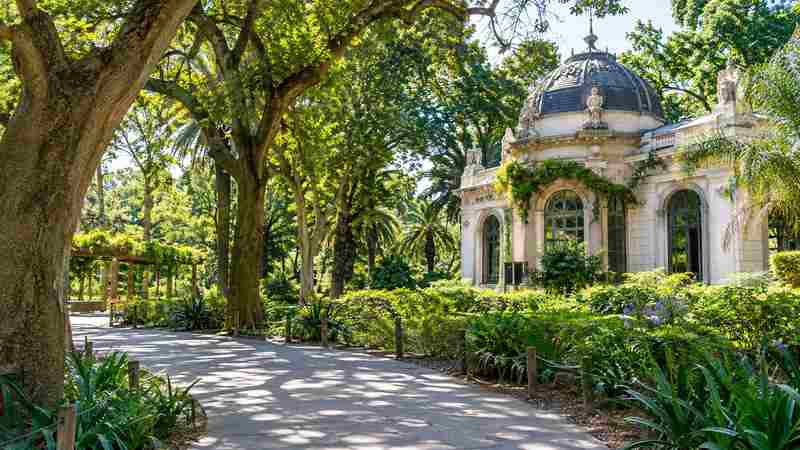
Right in the heart of Palermo, the former Buenos Aires zoo has been transformed into a space where biodiversity, historic architecture, and interactive experiences coexist. Trails, lakes, animals, and educational initiatives invite visitors to discover a different way of connecting with nature without leaving the City.
A green oasis in the middle of Buenos Aires
Just steps away from the bustling pace of Plaza Italia lies a place where the tempo of Buenos Aires seems to shift. Amid century-old trees, lakes, trails, and historic buildings, the Ecoparque offers a route combining nature, heritage, and discovery.
The space occupies the grounds of the former Buenos Aires Zoological Garden, which underwent a transformation to become a center dedicated to species conservation, environmental education, and animal welfare.
Today, the walk invites visitors to view biodiversity from a new perspective: getting to know the animals that inhabit the grounds, discovering native species, and understanding the importance of protecting ecosystems.
A proposal to enjoy at a leisurely pace, take in the outdoors, and encounter small surprises at every turn.
Animals, biodiversity, and conservation
The Ecoparque is home to more than 500 animals and runs programs dedicated to protecting endangered species.
During the visit, it is possible to observe various animals, including giraffes, hippos, tapirs, macaws, and condors, alongside species that roam freely throughout certain areas of the grounds.
Unlike a traditional zoo, the goal of this space is not merely to exhibit animals, but to foster their care, conservation, and an understanding of biodiversity.
A team of veterinarians, biologists, and specialists works toward their well-being and on initiatives tied to wildlife protection.
Because of this, not all animals are necessarily visible during the visit: their daily needs and welfare conditions are central to this updated vision of the park.
Learning through play and interactive experiences
One of the primary highlights of the Ecoparque is its range of interactive experiences.
Visitors can explore immersive walkthroughs dedicated to butterflies, bees, and the condor, which bring people closer to different species while illustrating their vital roles within ecosystems.
There are also 4D audiovisual experiences, discovery areas, and educational activities designed for all age groups.
Panoramic lookout towers offer fresh viewpoints across the grounds, while walking trails and raised walkways invite guests to admire the scenery from multiple perspectives.
For those visiting with children, these attractions provide an ideal blend of outdoor exploration, play, curiosity, and learning.
An open-air museum of architecture
Alongside its natural beauty, the Ecoparque preserves a fascinating chapter of Buenos Aires history.
Its gardens house 42 heritage buildings over a century old and 27 historic works of art that formed the architectural identity of the former zoo.
These constructions feature stylistic influences from diverse eras, showcasing pavilions, sculptures, and ornamental details that turn a simple walk into a journey through the city's past.
Amid lush vegetation, one finds unique facades, bridges, monuments, and quiet spots that invite you to pause and look closer.
For architecture and photography enthusiasts, the park presents an uncommon combination of nature and historic heritage right in Palermo.
An outing to enjoy at your own pace
There is no need to follow a strict itinerary to experience the Ecoparque.
A great starting point is to stroll along the main trails, wind around the lakes, and take in the areas dedicated to biodiversity.
Those looking for a more hands-on visit can take part in the interactive exhibits and educational offerings, while those seeking a relaxed outing will find plenty of green spots to walk, unwind, and enjoy the surroundings.
The visit also showcases how a historic city space can evolve to meet modern perspectives on our relationship with animals and the environment.
Rediscovering nature within the City
The Ecoparque is far more than a simple visit to the old zoo.
It is a place where Buenos Aires history blends seamlessly with new approaches to conservation, education, and environmental stewardship.
Its paths, century-old structures, and interactive experiences provide diverse ways to engage with nature and discover the wealth of biodiversity.
An invitation to see Palermo from a fresh angle, uncover hidden stories tucked among the trees, and remember that nature is also an integral part of life in Buenos Aires.


