The relationship between Buenos Aires and live music is something difficult to explain from the outside. Whether it’s tango, rock, electronic, or jazz: the city transforms every major concert into a collective experience. With the arrival of Martin Garrix, that energy is activated once again.
The Dutch DJ and producer has become one of the most popular figures in the global electronic scene thanks to shows that combine visual production, sonic impact, and an immediate connection with the audience. But in Buenos Aires something particular happens: the audience does not only attend a concert; they participate in an urban ritual that begins hours before and continues long after.
On the days of major musical events, the city changes its rhythm. Bars fill up early, groups meet in restaurants and rooftops, and different areas start to function as spontaneous meeting points. Palermo, Costanera, and downtown mix tourists, fans, and locals who understand the Buenos Aires night as a complete experience.
The electronic scene has found in Buenos Aires one of the most passionate audiences in Latin America. There is a strong clubbing tradition, shaped by international festivals, independent cycles, and a nightlife culture that has remained alive across generations.
In this context, a Martin Garrix show works as the perfect trigger to discover another dimension of the city: the nocturnal one. The lights reflected on the asphalt after the rain, taxis circulating at dawn, and groups still talking as the sun rises.
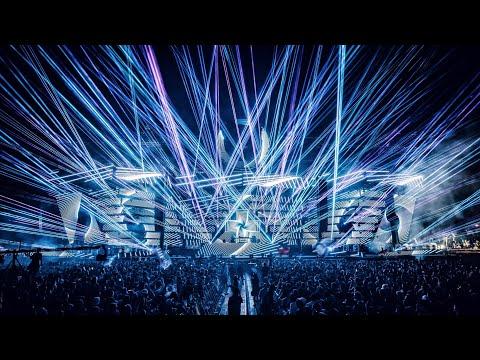
The experience is also marked by visual scale. Giant screens, light shows, and immersive staging turn each performance into something close to cinematic language. Buenos Aires naturally accompanies that aesthetic. There is something in its urban intensity that resonates well with contemporary electronic energy.
For those visiting the city during these days, the concert may be the centerpiece of the trip, but not necessarily the only plan. The pre-show often includes gastronomy, bars, design, art, and urban tours that end up creating a much broader experience.
Because in Buenos Aires, even after the music ends, the night continues.