In the heart of Recoleta there is a museum that breaks one of the most common rules of cultural spaces: here touching is allowed. With more than 300 interactive experiences, the Participatory Science Museum invites visitors to discover physics, light, sound and mathematics through play, awakening the curiosity of children and adults.
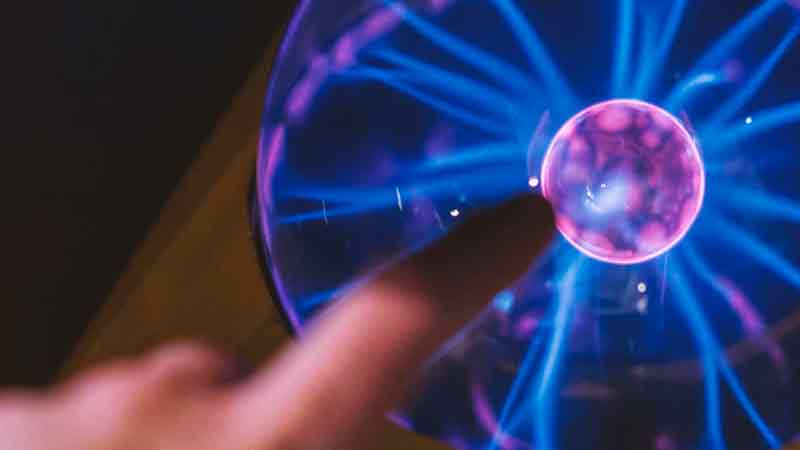
There are museums where silence seems part of the visit. At the Participatory Science Museum Prohibido No Tocar (Forbidden Not to Touch) the opposite happens: moving a lever, turning a wheel, building an electric circuit or experimenting with an optical illusion is the best way to understand how the world works.
Since its creation in 1988, this space located inside the Recoleta Cultural Center has proposed a different way of approaching science. Here there are no passive tours or signs asking visitors to keep their distance from exhibits. The invitation is to participate, try, make mistakes and try again. Because learning can also be a playful experience.
Science is understood with your hands
The museum is organized into themed rooms that explore different phenomena of nature and everyday life. Each one proposes challenges where visitors discover answers through experimentation.
Optical illusions surprise in the Visual Perception room; mechanics invite visitors to set gears and pulleys in motion; weather phenomena come to life in Forces of Nature; while electricity, magnetism and circuits can be explored by creating your own experiments.
There are also spaces dedicated to light, sound, mathematics and art, where concepts that often seem complex become accessible thanks to play and direct observation. In total, the museum brings together more than 300 interactive modules distributed over two floors.
A plan for all ages
Although often associated with family outings, the museum surprises visitors of any age. Children find a huge space to explore freely; teenagers discover that science can be challenging and fun; and many adults rediscover the pleasure of learning without exams or formulas.
The proposal is designed for people “from 4 to 100 years old,” a definition that sums up the spirit of the place: awakening curiosity as the engine of knowledge. No prior knowledge is needed. It is enough to wonder