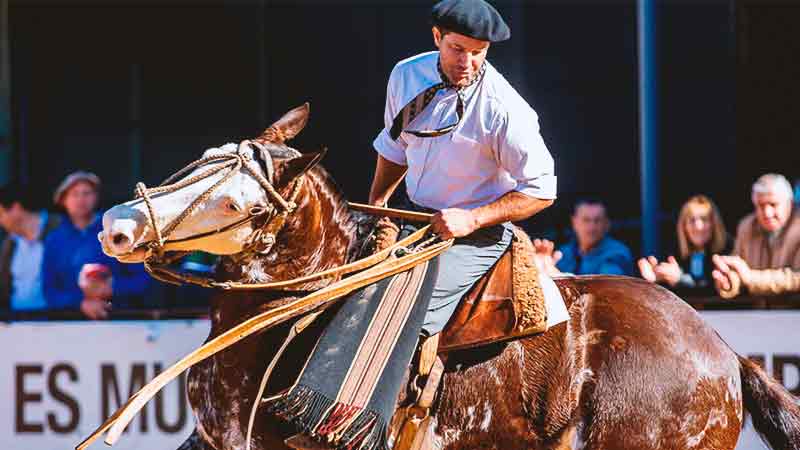
Every winter, La Rural becomes a meeting point where tradition, innovation and urban life coexist for eleven days. Among animals of different breeds, regional gastronomy, live demonstrations and proposals for all ages, the Rural Exhibition once again builds a bridge between the Argentine countryside and the City of Buenos Aires.
A tradition that keeps reinventing itself
There are events that have been part of Buenos Aires’ calendar for generations. The Rural Exhibition is one of them. Since the late 19th century, the Palermo fairgrounds have welcomed producers, breeders, specialists and curious visitors who find in this encounter much more than an agricultural show: a journey through the different ways in which the Argentine countryside expresses itself today.
In its 138th edition, the exhibition once again fills every corner of La Rural with a program that combines heritage, technology, gastronomy and entertainment. First-time visitors discover an unexpectedly diverse universe; returning visitors find new proposals to explore each year.
From the corral to the kitchen: a journey for all senses
The heart of the show remains direct contact with animals. Cattle, sheep, horses, pigs and other species coexist in specially prepared pavilions, where it is possible to learn about different breeds, talk to breeders and observe up close the work behind agricultural production.
But the experience goes much further. Just a few meters away are spaces dedicated to technological innovation, agricultural machinery, animal genetics, regional ventures and proposals that show how the sector has evolved in recent years.
The walk also invites visitors to stop and enjoy aromas and flavors. Live kitchens, regional products, food trucks and restaurants offer a gastronomic journey that reflects the country’s productive diversity. From meats and cheeses to artisanal sweets and Argentine wines, each stop adds a new excuse to stay a little longer.
Winter holidays with activities for the whole family
During winter holidays, the Rural Exhibition takes on a special rhythm. Families find spaces where children can